Starting a yoga practice can feel intimidating, especially for those who identify as inflexible or have tight muscles. Many beginners may worry about whether they can keep up Click here for more info with more flexible practitioners or if they will even be able to perform basic poses. However, yoga is not just for the bendy and limber; it's accessible to everyone, regardless of their current flexibility level. The key lies in understanding that yoga is about personal growth, self-awareness, and adapting practices to meet individual needs.
Embracing Your Starting Point
Accepting where you are at the moment can be liberating. If you cannot touch your toes or struggle with traditional poses due to tight hips or hamstrings, there’s no need to feel discouraged. Many people come to yoga believing they need a certain level of flexibility before stepping onto the mat. In reality, yoga encourages progress through gradual improvement rather than perfection.
It helps to remember that every seasoned yogi was once a beginner. Flexibility evolves through consistent practice and mindful engagement with your body. When starting out, focus on feeling good in each pose rather than pushing yourself into shapes that may cause discomfort or strain.

Gentle Poses for Beginners
Certain beginner-friendly poses serve as excellent introductions to the practice without overwhelming newcomers. These postures help build strength and flexibility while providing opportunities for modifications based on individual needs.
1. Child's Pose (Balasana)
This resting pose invites relaxation and is perfect for those needing a break during their practice. Kneel on the mat, sit back on your heels, and stretch your arms forward while lowering your forehead to the ground. If reaching the floor feels challenging, place a pillow or block under your head for support.
2. Cat-Cow Stretch (Marjaryasana-Bitilasana)
This gentle flow between two positions warms up the spine and enhances flexibility in the back and neck area. Start on all fours, aligning wrists under shoulders and knees under hips. Inhale while arching your back (Cow), then exhale as you round it (Cat). Move fluidly between these two positions at your own pace.

3. Downward-Facing Dog (Adho Mukha Svanasana)
A classic yoga pose that elongates the spine and stretches the hamstrings. To modify it, bend your knees slightly if your hamstrings feel too tight. Alternatively, use a chair or wall for support until you feel comfortable trying it from the floor.
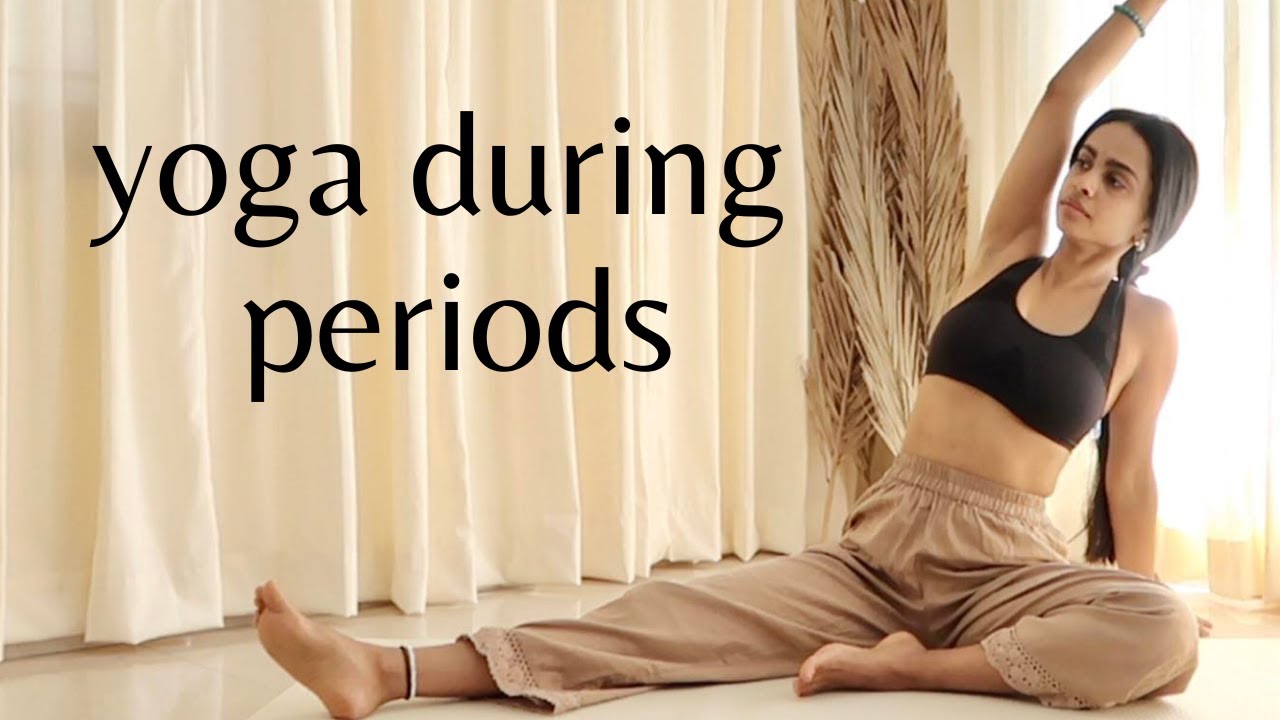
4. Seated Forward Bend (Paschimottanasana)
While this pose stretches the back and hamstrings, beginners may find it challenging if they are tight in these areas. Sit with legs extended in front of you; instead of forcing yourself into a deep fold, reach towards your shins or thighs while maintaining a straight back.
5. Warrior II (Virabhadrasana II)
This standing pose builds strength in the legs while promoting confidence and stability. If balance is an issue, consider practicing near a wall for support or using wider stance options as needed.
Modifications: Your Best Friend
When practicing yoga as an absolute beginner with stiff muscles or joints that resist typical movements, modifications become invaluable tools for success and comfort on the mat. Here are ways to adjust common poses:
- Use Props: Blocks, straps, blankets, and bolsters can bridge gaps between what feels possible physically versus what seems out of reach. Adjust Your Stance: If standing poses feel overwhelming because of tightness in hips or legs, widen your stance or lower yourself onto a chair. Breathe Deeply: Focus on breath control as it aids relaxation within each posture; deep breaths signal to tense areas within our bodies to soften. Take Breaks: Don’t hesitate to return to Child's Pose whenever necessary; this act alone fosters self-care when fatigue arises. Experiment: Try different versions of each pose until you discover what feels most supportive; yoga should never inflict pain but rather cultivate ease.
Building Confidence Through Consistency
To foster confidence as a beginner practitioner dealing with inflexible muscles requires time spent developing awareness around one’s body limitations alongside regular practice sessions—even at home! There’s no rush; consistency yields results over time.
Consider setting aside just 10 minutes each day for gentle stretching focused around areas where stiffness resides—hips or hamstrings might benefit greatly from daily attention through simple seated stretches like Butterfly Pose (Baddha Konasana) or gentle lunges.
Joining beginner-friendly classes either online or in person can also provide guidance tailored specifically toward folks new to their journey—many instructors offer insights about overcoming flexibility myths along with suggestions catered toward individuals unable yet able touch their toes!
Empower Yourself Through Yoga
The myths surrounding flexibility tend to overshadow the true essence of yoga—the journey toward self-discovery amid physical exploration lies at its heart! As someone who once felt stiff myself upon entering my first class years ago—a mix of nervousness blended excitement—I now cherish how far I’ve come thanks largely due diligence paired along patience throughout my experiences across various styles eventually led me here today leading others on similar paths toward growth!
So whether practicing at home amidst distractions present everywhere else—instead focus inward allowing newfound sensations breathe life anew into long-held tensions creating space where none existed before! Remember: every small step counts towards meaningful progress over time—embrace yours fully!