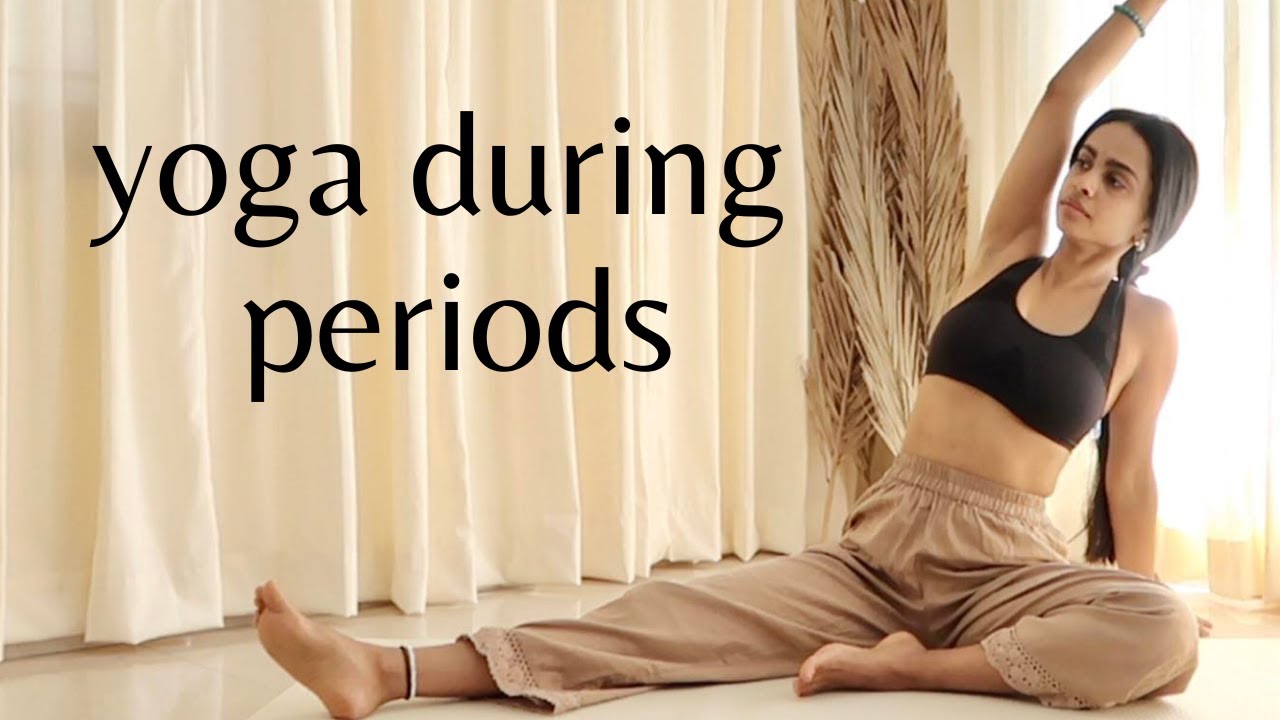
In our fast-paced lives filled with responsibilities, deadlines, and the constant buzz of technology, stress can quickly become a familiar companion. Many people seek effective ways to manage this stress, and yoga has emerged as a powerful tool for promoting relaxation and mental clarity. This ancient practice offers not just physical benefits but also profound emotional and psychological relief. By incorporating specific yoga poses into your routine, you can significantly reduce stress levels and cultivate a calmer mind and body.
The Connection Between Yoga and Stress Relief
Yoga is more than merely stretching or physical exercise; it encompasses a holistic approach that blends breath control, meditation, and postures designed to enhance the mind-body connection. When practiced regularly, yoga can help lower cortisol levels — the hormone associated with stress — while promoting the release of endorphins that elevate mood.
Breathing techniques in yoga play a fundamental role in aiding relaxation. Through controlled breathing exercises, such as Pranayama, practitioners learn to manage their breath during moments of anxiety or tension. This focus on breath not only calms the nervous system but also helps ground individuals in the present moment.

Gentle Yoga Poses for Stress Reduction
Certain yoga poses are particularly effective for alleviating stress. These poses encourage relaxation while stretching tight muscles and soothing the mind. Here are some gentle yoga poses you can incorporate into your daily routine:
1. Child's Pose (Balasana)
This restorative pose allows for deep relaxation while gently stretching the back, hips, and thighs. Start by kneeling on the floor with your big toes touching and knees apart. Sit back on your heels and extend your arms forward on the mat, resting your forehead down. Take slow breaths here, allowing your body to sink deeper into the stretch.
2. Forward Fold (Uttanasana)
Standing tall with feet hip-width apart, hinge at your hips to fold forward gently. Let your head hang heavy between your legs while keeping a slight bend in your knees if needed. This pose releases tension in the hamstrings and lower back while providing an opportunity for introspection.
3. Legs-Up-the-Wall Pose (Viparita Karani)
Find a wall space where you can lie on your back with legs extended straight up against it, forming an L shape with your body. This gentle inversion promotes blood circulation while calming the nervous system. Stay here for several minutes while focusing on your breath.
4. Cat-Cow Stretch (Marjaryasana-Bitilasana)
This dynamic movement between two positions helps release tension in the spine while synchronizing breath with movement. Begin on all fours with wrists under shoulders and knees under hips. Inhale as you arch your back (cow), lifting your head and tailbone toward the ceiling; exhale as you round your spine (cat), tucking in chin and pelvis.
5. Corpse Pose (Savasana)
Often regarded as one of the most important poses in yoga practice, Savasana involves lying flat on your back with arms at your sides and palms facing up. Allow yourself to completely relax into the ground as you focus on letting go of any remaining tension or stress.
Creating Your Calming Routine
To experience lasting benefits from these poses, consider establishing a regular calming routine that fits seamlessly into your day-to-day life. Morning sessions can energize you for the day ahead while evening practices serve as an excellent way to unwind before bed.
Begin with five minutes dedicated to conscious breathing before transitioning into gentle stretches like Child’s Pose or Forward Fold. Gradually increase this time to fifteen or twenty minutes as it becomes part of your daily rhythm.
Pairing these practices with mindfulness techniques such as journaling or meditation can further enhance their effectiveness Helpful resources in reducing stress levels over time.
Listening to Your Body
One crucial aspect of practicing yoga is learning how to listen to what your body needs each day rather than forcing yourself into specific shapes or routines regardless of how you feel physically or emotionally.
For beginners who may struggle with flexibility or strength, embracing modifications is essential for fostering confidence and comfort within each pose. Use props like blocks or bolsters when necessary; they provide support without compromising alignment or safety.
Remember that everyone's journey through yoga is unique — it's perfectly acceptable if certain poses feel more challenging than others or require additional time to master.
Conclusion: Yoga as a Lifelong Companion
Integrating these stress-reducing yoga poses into daily life offers not just immediate relief but also cultivates long-term resilience against life’s challenges. By committing to this practice, you empower yourself not only physically but mentally as well.
As you explore these movements further, keep an open heart towards progress rather than perfection—celebrate small victories along this journey toward inner peace! Whether you're seeking calm amidst chaos or simply wishing for greater emotional balance throughout life's ups-and-downs—yoga stands ready as an invaluable ally along every step forward toward well-being!